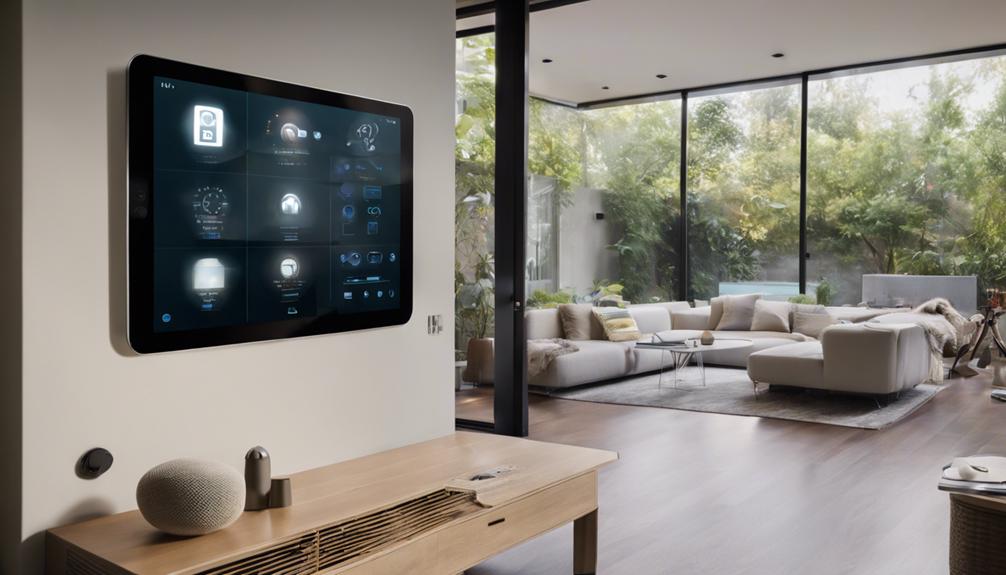
We’ve considered the pros and cons of DIY home security systems and found that, while they can be a cost-effective and convenient way to protect our properties, they also require a significant investment of time and effort. We’ve weighed the upfront costs and ongoing fees, and balanced the benefits of self-monitored systems against the limitations of DIY installation and wireless connectivity. As we sort through the nuances of professional support and maintenance, we’re left wondering: are DIY home security systems worth it? The answer depends on our commitment to staying vigilant and proactive – and there’s more to explore on this critical question. While DIY systems offer flexibility, they also demand ongoing attention to ensure they function properly. Regular testing, software updates, and following essential home security tips—such as placing cameras strategically and securing network connections—can help maximize their effectiveness. Ultimately, the choice comes down to whether we’re willing to take on these responsibilities or prefer the reassurance of a professionally monitored system.
Weighing the Cost of DIY Security
As we explore the world of DIY home security systems, one essential aspect to take into account is the cost, which can vary greatly depending on the type and quality of equipment we choose. We've got to take into account the upfront costs of purchasing the necessary hardware, such as cameras, sensors, and control panels. Additionally, we need to think about any ongoing subscription fees for monitoring services or cloud storage.
We've found that the prices of DIY security systems can range from a few hundred to several thousand dollars, depending on the complexity and scope of the system. For instance, a basic kit with a few door sensors and a single camera might cost around $200. On the other hand, a more extensive system with multiple cameras, motion detectors, and smart home integration could set us back upwards of $1,000 or more.
It's also important to take into account the cost of our time and effort. As we take on the responsibility of installing and maintaining our own security systems, we need to factor in the value of our time and any potential technical support or troubleshooting we might need. By weighing the costs and benefits, we can make an informed decision about whether a DIY security system is right for us.
Effectiveness of Self-Monitored Systems
We've explored that cost is a critical factor in choosing a DIY home security system, but now we're left wondering: do self-monitored systems really provide the level of security we need? As we delve into the realm of self-monitored security, we're faced with the ultimate question: can we truly trust ourselves to keep our homes and loved ones safe?
The answer lies in understanding how self-monitored systems work. Fundamentally, these systems rely on us to monitor our own security feeds, receive alerts, and respond to potential threats. While this may seem challenging, many of us are already comfortable with the idea of monitoring our own security. After all, we're already accustomed to keeping tabs on our homes through smart doorbells and security cameras.
In reality, self-monitored systems can be incredibly effective – as long as we're diligent about keeping an eye on things. With instant alerts and real-time video feeds, we can quickly respond to potential threats and prevent break-ins. Plus, many self-monitored systems offer additional features like video recording and cloud storage, giving us a clear picture of what's happening at home even when we're away.
Ultimately, the effectiveness of self-monitored systems comes down to our own vigilance and commitment to staying on top of our home's security. If we're willing to put in the effort, self-monitored systems can provide the level of security we need to feel safe and protected in our homes.
Limitations of DIY Installation
Our DIY security system installation may seem like a straightforward task, but it can quickly turn into a complex and challenging experience without proper planning and execution. We may think we're saving money and time by doing it ourselves, but the reality is that we might be compromising our security and safety.
One major limitation of DIY installation is the lack of expertise. We may not have the necessary knowledge to identify potential vulnerabilities in our homes, leaving us open to potential threats. Without proper training, we may not be able to configure the system correctly, leading to false alarms or, worse, undetected break-ins. Additionally, we may not be aware of the latest security protocols and technologies, which can leave our homes vulnerable to sophisticated threats.
Another limitation is the physical demands of installation. We may not be comfortable with heights, tight spaces, or crawling through attics and crawlspaces, which can make installation a challenging task. Additionally, we may not have the necessary tools or equipment to complete the job, leading to further delays and frustrations.
Lastly, DIY installation can also lead to a lack of accountability. If something goes wrong, we can't hold anyone accountable, leaving us to deal with the consequences on our own. By acknowledging these limitations, we can make informed decisions about whether DIY installation is truly the best option for our home security needs.
Reliability of Wireless Connectivity
While we're occupied with the intricacies of DIY installation, we're also depending on wireless connectivity to keep our homes secure, but can we really trust it to keep us safe? As we rely on wireless signals to transmit crucial security information, we can't help but wonder if they're reliable enough.
We've all experienced the frustration of dropped Wi-Fi signals or interrupted Bluetooth connections. Now, imagine the consequences if our security systems fail due to wireless connectivity issues. It's a challenging thought, especially considering the primary purpose of these systems: to keep us and our loved ones safe.
In reality, wireless connectivity can be affected by various factors, such as physical barriers, interference from other devices, and even weather conditions. These disruptions can lead to delayed or lost signals, which can have serious consequences in emergency situations. Additionally, hackers can exploit wireless vulnerabilities, compromising our security and privacy.
While many DIY security systems boast robust wireless connectivity, it's essential to carefully evaluate the reliability of these connections. We need to make sure that our systems can withstand potential disruptions and maintain a stable connection, even in the most critical moments. By doing so, we can have greater confidence in our DIY security systems and the wireless connectivity that supports them.
Professional Support and Maintenance
With our DIY security systems in place, ensuring reliable professional support and maintenance becomes essential to their best performance and our continued peace of mind. We've invested time and effort into setting up our systems, and we need to know that we can count on the support of the manufacturer or provider if something goes wrong.
Fortunately, many DIY security system providers offer various levels of support, from online resources and FAQs to phone and email support. Some even offer premium support options, such as dedicated phone lines or priority email support, for an additional fee. We should carefully review the support options available from our provider and consider upgrading to a premium plan if we need more inclusive support.
Regular software updates and maintenance are also vital to ensuring our systems remain effective and secure. We should make sure our provider pushes updates regularly and that we're notified of any changes or issues. Additionally, we should perform regular self-maintenance tasks, such as cleaning sensors and checking battery levels, to keep our systems running smoothly.
Frequently Asked Questions
Can DIY Systems Integrate With Smart Home Devices and Appliances?
We're curious about integrating our DIY security systems with our smart home devices and appliances. Luckily, many systems can seamlessly connect with popular smart home hubs, like Alexa or Google Home. This integration allows us to control our security cameras, lights, and thermostats with ease. We can also receive notifications when unusual activity is detected. With this integration, our homes feel more secure and convenient than ever.
Are DIY Security Systems Compatible With All Internet Browsers?
What a relief it is that we stumbled upon this question – are DIY security systems compatible with all internet browsers? As it turns out, we're in luck! Most DIY security systems are designed to be browser-agnostic, meaning we can access and monitor our systems from any device, using any internet browser. We can finally rest easy, knowing our security systems are just a click away, no matter where we are or what browser we use.
Do DIY Systems Offer Video Recording and Storage Options?
When it comes to DIY security systems, we're often curious about video recording and storage options. Luckily, many DIY systems do offer these features! Some allow us to record and store footage locally on a device, while others provide cloud storage options. We can even opt for systems that offer both. It's essential to check the specific system's capabilities, but generally, we can expect some level of video recording and storage.
Can I Take My DIY System With Me if I Move to a New Home?
When we think about moving to a new home, it's like packing up our entire lives – including our sense of security. Luckily, our DIY system is like a trusted companion, easy to unplug and take with us. Most DIY systems are wireless and portable, so we can simply pack them up and reinstall at our new place. This flexibility is a huge perk, giving us peace of mind as we start fresh in our new home.
Are DIY Systems Compliant With Disability Accessibility Standards?
As we explore the world of DIY home security, we're curious: do these systems comply with disability accessibility standards? We want to guarantee that our homes are safe and inclusive for everyone. The good news is that many DIY systems are designed with accessibility in mind, offering features like voice commands, mobile apps, and visual alerts. We're relieved to find that many popular brands prioritize accessibility, making home security a possibility for all.