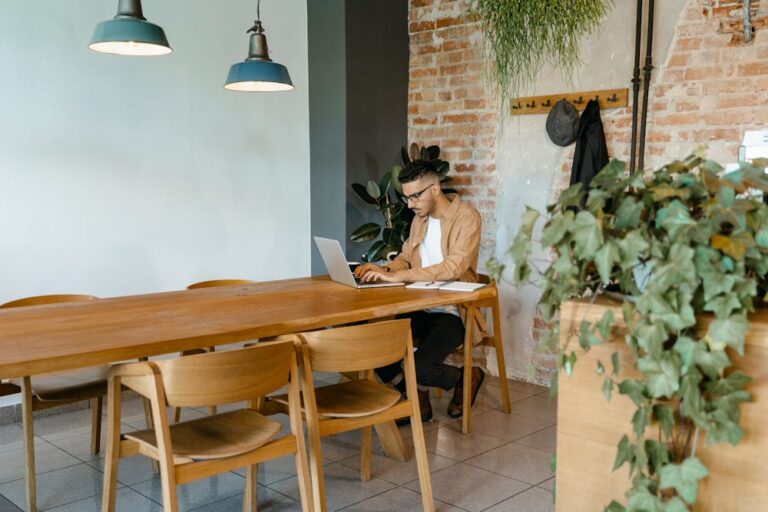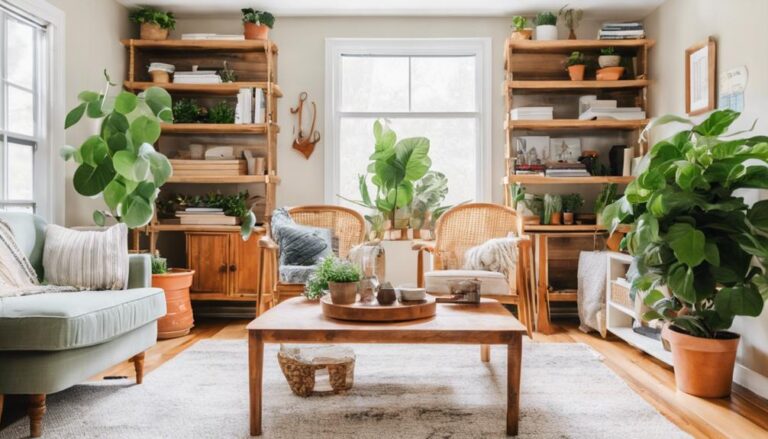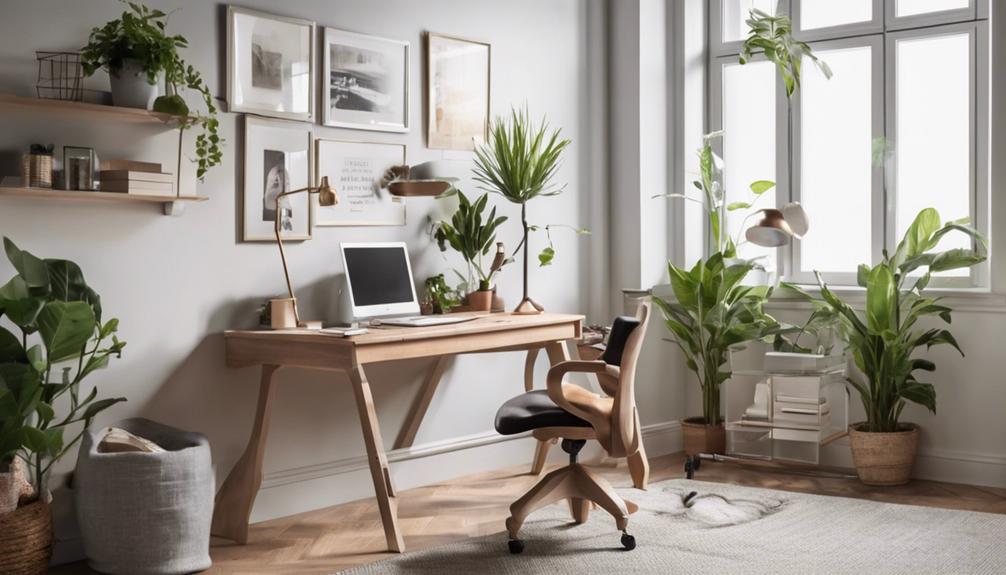
We can maximize any space into a functional and comfortable home office by evaluating our available space, choosing the right furniture, and optimizing our lighting needs. We'll minimize distractions and clutter, invest in essential tools, and stay organized and focused. By utilizing vertical storage options and adding personal touches, we'll create a space that inspires productivity and comfort. With a little creativity, our home office can be a haven of efficiency and style. And with a few more tweaks, we can tap into the full potential of our workspace.
Assess Your Available Space
As we begin to establish a home office, we need to take stock of our available space, considering the dimensions of the room, doorways, windows, and any obstacles that could impact our workspace. This initial assessment is vital in determining how we'll layout our office and maximize our productivity. We should take precise measurements of the room, noting any alcoves, nooks, or crannies that could be utilized for storage or shelving.
Next, we'll want to identify any potential distractions or obstacles that could hinder our focus. Are there any noisy areas, like a hallway or living room, that we'll need to buffer ourselves from? Are there any windows that will require window treatments to minimize glare or distractions? By acknowledging these factors, we can start to envision our ideal workspace.
As we assess our space, we should also think about our personal preferences and needs. Do we require a quiet, private area for focused work, or do we thrive in a more open, collaborative environment? By considering our individual needs, we can begin to tailor our home office to support our unique work style. By taking the time to carefully assess our available space, we'll be well on our way to creating a home office that truly works for us.
Choose the Right Furniture
With our space assessed and potential distractions identified, we can now shift our focus to selecting the right furniture to create a functional and comfortable workspace that supports our productivity. This is where the fun begins! We get to choose the pieces that will make our workspace comfortable, efficient, and inspiring.
When selecting furniture, we need to take into account a few key factors. Here are three essential items to prioritize:
- Ergonomic chair: A good chair can make all the difference in our comfort and focus. Look for a chair with adjustable height, lumbar support, and a breathable fabric.
- Spacious desk: We need a desk that provides ample space for our laptop, papers, and other essentials. Consider a desk with built-in storage or a sit-stand option to keep us moving.
- Organizational tools: A cluttered workspace can be overwhelming. Invest in shelves, baskets, or a file cabinet to keep our office supplies and documents organized and within reach.
Optimize Your Lighting Needs
We illuminate our workspace effectively by considering the type and placement of lighting fixtures, which greatly impact our visual comfort and productivity. Natural light is always the best option, so we try to position our workspace near a window. However, since this isn't always possible, we supplement with artificial lighting. We use a combination of overhead lighting, task lighting, and ambient lighting to create a well-lit space.
Task lighting, such as desk lamps, helps us focus on specific areas, reducing eye strain. Overhead lighting provides overall illumination, while ambient lighting sets the mood and atmosphere. We also consider the color temperature of our lighting, opting for warm white or soft blue tones that promote relaxation and reduce fatigue. We avoid harsh or cool white lighting, which can be overwhelming.
When choosing lighting fixtures, we prioritize energy efficiency and durability. LED lights, for instance, are both eco-friendly and long-lasting. We also consider the style and design of our lighting fixtures, ensuring they complement our workspace's aesthetic. By optimizing our lighting needs, we create a comfortable and inviting workspace that boosts our mood and productivity. With the right lighting, we can work efficiently and effectively, feeling energized and motivated throughout the day.
Minimize Distractions and Clutter
As we set up our home office, we need to create an environment that allows us to focus. To do this, we'll clear the clutter that can distract us and designate a specific workspace that's just for work. By doing so, we'll be able to concentrate on our tasks without interruptions.
Clear the Clutter
Let's dive right in and tackle the clutter that's been holding us back from creating a productive home office space. We've all been there – surrounded by piles of papers, dusty decorations, and outdated office supplies. It's time to break free from the clutter that's been weighing us down.
Clearing the clutter is not only physically liberating, but it's also mentally invigorating. By getting rid of the unnecessary, we can focus on what's truly important: our work. So, where do we start?
Here are three essential steps to help us clear the clutter:
- Purge the paper trail: Sort through papers, files, and documents, and either digitize or shred what's no longer needed.
- Streamline our supplies: Get rid of outdated or broken office supplies, and organize what's left in a way that makes sense for our workflow.
- Designate a 'maybe' box: Place items we're unsure about in a box, and if we don't use them within a set timeframe, get rid of them.
Designate a Workspace
Set up a dedicated workspace that sparks productivity by carving out a quiet, clutter-free zone that helps us stay focused. We've cleared the clutter, now it's time to create a space that works for us. Identify a spot that's free from distractions, like TVs and video games, and ideally has a door we can close to minimize interruptions. Consider the natural light and temperature of the space, too. We want to feel comfortable and energized when we're working.
Next, think about the layout. Position our chair and desk in a way that promotes good posture and reduces eye strain. Leave enough space to move around and stretch. Invest in a comfortable, ergonomic chair and a desk that fits our needs. If we're short on space, consider a compact or wall-mounted desk. We can also repurpose a closet or alcove to create a cozy workspace. By designating a dedicated workspace, we'll be more productive, efficient, and motivated to tackle our work.
Invest in Essential Tools
We'll need a solid set of essential tools to maximize our productivity and efficiency in our home office. As we set up our workspace, it's important to invest in the right equipment to help us stay focused and motivated. With the right tools, we'll be able to tackle our tasks with confidence and achieve our goals.
Here are three essential tools we shouldn't skip:
- Ergonomic chair and desk: A comfortable and adjustable chair, paired with a desk that fits our needs, will make sure we can work for hours without discomfort or distraction.
- Reliable computer and internet: A fast and reliable computer, along with a stable internet connection, will allow us to work efficiently and stay connected with our colleagues and clients.
- Noise-cancelling headphones: Good-quality headphones will assist us in blocking out distractions, focus on our tasks, and even enjoy some background music to boost our productivity.
Stay Organized and Focused
With our tools in place, we can now turn our attention to the next hurdle: staying organized and focused amidst the comfort and distractions of our home office. It's easy to get sidetracked by household chores, TV, or social media, but we must remain disciplined to achieve our goals.
To stay on track, we need to establish routines and habits that promote productivity. This includes setting a schedule, prioritizing tasks, and minimizing interruptions. We should also create a comfortable and ergonomic workspace that encourages focus and reduces eye strain.
Here are some strategies to help us stay organized and focused:
| Strategy | Description | Benefits |
|---|---|---|
| Create a to-do list | Write down tasks to be completed | Reduces mental clutter, helps prioritize tasks |
| Set boundaries | Establish dedicated work hours, minimize interruptions | Improves focus, reduces distractions |
| Take breaks | Take regular breaks to recharge | Boosts productivity, reduces burnout |
| Declutter workspace | Keep workspace organized, tidy | Reduces stress, improves focus |
| Set goals | Establish short-term and long-term goals | Provides direction, motivation |
Utilize Vertical Storage Options
As we set up our home office, we're realizing that making the most of our wall space is essential. We're finding that installing shelves and cabinets that go up to the ceiling helps keep our floors and surfaces clear. By maximizing our vertical storage, we can keep our office organized and clutter-free, which is vital for staying productive and focused.
Maximize Wall Space
By incorporating vertical storage options, we can tap into the full potential of our home office's wall space, keeping essentials within easy reach while maintaining a clutter-free work environment. This is especially important when working with limited floor space, as it allows us to make the most of our walls. By going vertical, we can create a sense of openness and airiness, making our workspace feel more expansive.
Here are a few ways we can maximize our wall space:
- Install shelves: Perfect for storing books, binders, or decorative items, shelves are a great way to keep our workspace organized while adding visual interest to our walls.
- Use wall-mounted organizers: From hooks to baskets, there are countless options for storing office supplies, bags, and other essentials within easy reach.
- Hang a pegboard: A pegboard is a versatile and customizable storage solution that can be tailored to our specific needs, whether that's storing office supplies or displaying inspirational quotes.
Optimize Shelf Dividers
Dividing our shelves into dedicated zones helps us categorize our supplies and materials, making it easier to locate what we need in a snap. By optimizing our shelf dividers, we're able to create separate areas for different types of items, like office supplies, paperwork, and electronics. This not only keeps our workspace organized but also saves us time and reduces stress.
To make the most of our shelf dividers, we can use baskets, bins, and containers to store small items like paper clips, pens, and staples. We can also label each zone so we can easily identify what’s inside. This way, we can quickly find what we need without having to dig through cluttered shelves. By utilizing vertical storage options, we’re able to make the most of our available space, keeping our work surface clear and our minds focused on the task at hand. With optimized shelf dividers, we can stay productive, efficient, and in control of our workspace. Additionally, incorporating stackable organizers and adjustable shelving can further enhance our ability to customize the storage layout to fit our needs. This approach ensures that every item has a designated place, reducing distractions and increasing efficiency. By implementing smart storage for small spaces, we can maintain a well-organized workspace that promotes productivity and a clutter-free environment.
Add Personal Touches and Decor
We inject our personality into our home office by incorporating personal touches and decor that reflect our unique style and character. This is where we can really make our space shine and feel truly ours. By adding a few special elements, we can create a space that not only inspires productivity but also sparks joy and comfort.
To get started, we can experiment with different textures, colors, and patterns to add depth and visual interest. We can also bring in personal items that hold sentimental value, such as family photos, artwork, or collectibles. These small touches can make a big impact and create a sense of belonging.
Here are a few ideas to get us started:
- Add a statement piece: Whether it's a bold piece of artwork or a colorful rug, a statement piece can help tie the room together and create a focal point.
- Bring in plants: Not only do plants purify the air and improve our mood, but they can also add a touch of natural beauty to our space.
- Display personal mementos: Whether it's a vintage typewriter or a favorite book, displaying personal mementos can add a touch of personality to our space and make it feel more like our own.
Frequently Asked Questions
Can I Convert a Closet Into a Functional Home Office?
"We've all been there – craving a dedicated workspace, but struggling to find the square footage. So, can we convert a closet into a functional home office? Absolutely! With some creativity and planning, we can turn that tiny space into a productive haven. We'll need to get resourceful with storage, lighting, and ergonomics, but trust us, it's doable. Let's get started and transform that closet into our dream workspace!"
How Do I Deal With Noisy Family Members While Working From Home?
We've all been there – trying to meet that looming deadline while our loved ones are, well, being their lovely loud selves. It's like trying to bake a cake with a bunch of rowdy kids in the kitchen! To minimize distractions, we set boundaries, like designating "office hours" and creating a signal (like a flag on our door) to indicate when we're on a call or need focus time. This way, we can all thrive – even in a noisy household.
Are Standing Desks Really Better for My Back and Productivity?
We've all wondered, are standing desks really worth the hype? We've got the scoop: yes, they can be a game-changer for our backs and productivity! By standing, we engage our core and improve our posture, reducing back pain. Plus, standing boosts our energy levels and focus, helping us power through tasks more efficiently. We're not saying it's a magic fix, but we've seen the benefits firsthand – and so will you!
Can I Claim My Home Office as a Tax Deduction?
As we navigate the winding roads of adulthood, we've reached a crossroads: can we access our home office as a tax deduction? It's like discovering a secret garden, hidden from the prying eyes of the taxman. We've toiled in our sanctuaries, hammering away at our keyboards, and now it's time to reap the rewards. The IRS offers solace, allowing us to deduct a portion of our rent or mortgage interest, utilities, and other expenses. We'll breathe easier, knowing our hard work is rewarded with a lighter tax burden.
How Often Should I Take Breaks to Avoid Burnout and Stay Focused?
We understand it's easy to get sucked into work mode, but we're guilty of neglecting our own well-being. To avoid burnout, we make sure to take breaks every hour or so. We set a timer to remind ourselves to stand up, stretch, and move around. Even a short walk to the kitchen or a few jumping jacks can refresh our minds and help us stay focused. It's vital to prioritize our mental health, and taking breaks is an essential part of that.