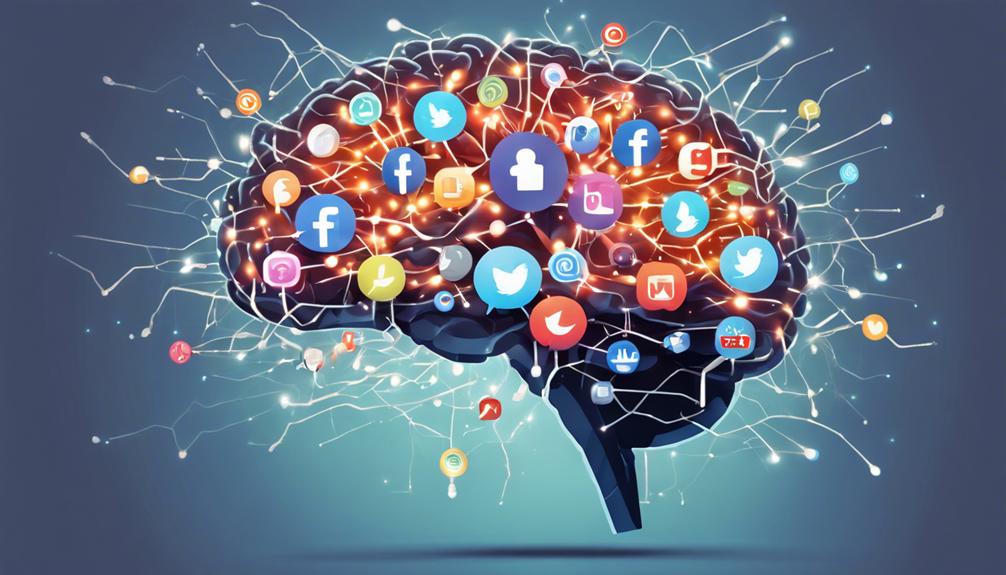
We're naturally wired to respond to marketing messages that tap into our emotions, leveraging psychological triggers that drive us to share, engage, and ultimately, buy. Viral marketing campaigns exploit our emotional vulnerability, using tactics like emotional contagion, social proof, and cognitive biases to influence our decisions. We're drawn to scarcity and exclusivity, and clever marketers know how to build anticipation and hype. But there's more to it – we'll explore how nostalgic elements, authority figures, framing, storytelling, and social influence can make or break a campaign. Now, let's dive deeper into the psychology behind these strategies.
Emotional Contagion in Advertising
When we're exposed to a viral marketing campaign, we often find ourselves unwittingly caught up in a whirlwind of emotions, with the most infectious ones spreading like wildfire and leaving a lasting impact on our purchasing decisions. As we're swept up in the excitement, our emotions are triggered, and we start to resonate with the message being conveyed. This phenomenon is known as emotional contagion, where we unconsciously absorb and mimic the emotions expressed by others.
In the context of advertising, emotional contagion plays an essential role in shaping our attitudes and behaviors. Advertisers cleverly tap into our emotional vulnerability, crafting messages that evoke strong feelings of joy, sadness, or excitement. As we empathize with the emotions presented, we form an emotional connection with the brand, making us more receptive to their message. This emotional resonance can be so impactful that it influences our purchasing decisions, often without us even realizing it.
The most effective viral marketing campaigns are those that masterfully create an emotional storm, leaving a lasting impression on our minds. By understanding the psychology behind emotional contagion, advertisers can craft campaigns that resonate deeply with their target audience, ultimately driving sales and brand loyalty. As consumers, it's essential to recognize the emotional manipulation at play and be aware of how our emotions are being influenced. By doing so, we can make more informed purchasing decisions and appreciate the cleverness behind those catchy ads.
The Power of Social Proof
We're often more likely to adopt a behavior or try a product because we see others doing the same, a phenomenon rooted in our innate desire for social validation and fear of missing out. This psychological principle, known as social proof, is a powerful driver of human behavior. When we observe others engaging in a particular behavior or using a certain product, we're more likely to follow suit. This is because we trust the opinions and actions of others, especially when we're uncertain or lack personal experience.
Social proof can take many forms, including:
- Customer testimonials: Hearing from satisfied customers can alleviate doubts and increase our confidence in a product or service.
- User-generated content: Seeing how others have successfully used a product or achieved a desired outcome can be a powerful motivator.
- Social media influencers: Partnering with influencers who have large followings can tap into their audience's desire for social validation.
Cognitive Biases in Decision Making
Our brains are wired to make quick decisions, but cognitive biases often lead us astray, influencing our choices in subtle yet powerful ways. As we navigate the vast array of options in our daily lives, these biases can greatly impact our decision-making processes. They're like mental shortcuts that can either help or hinder our ability to make informed choices.
One common bias is confirmation bias, where we tend to seek out information that confirms our existing beliefs and ignore contradictory evidence. This can lead us to make decisions based on incomplete or misleading information. Another bias is the availability heuristic, where we overestimate the importance of information that's readily available to us. For instance, if we've recently experienced a plane crash, we might overestimate the risks of flying, even though it's one of the safest modes of transportation.
These biases can be particularly influential in the context of marketing, where clever campaigns can exploit our mental shortcuts to influence our purchasing decisions. By understanding these biases, marketers can create campaigns that resonate with our subconscious minds, making us more likely to engage with their products or services. As consumers, being aware of these biases can help us make more informed decisions, rather than being swayed by clever marketing tactics. By recognizing the cognitive biases that drive our decision-making processes, we can take a step back and make more rational, informed choices.
The Role of Scarcity and Exclusivity
As we explore the role of scarcity and exclusivity in viral marketing campaigns, we're drawn to the powerful psychological triggers that drive consumer behavior. We're about to uncover how limited time offers, exclusive access only, and the perception of rarity can create demand and fuel desire. By examining these tactics, we'll see how marketers cleverly use scarcity to make their products and services irresistible.
Limited Time Offers
When a brand creates a limited time offer, it taps into our innate fear of missing out, leveraging the psychological power of scarcity to drive consumer action. This tactic is incredibly effective because it speaks to our deep-seated anxiety about being left behind. Individuals do not want to miss out on a great deal or opportunity, so they are motivated to act quickly.
Limited time offers also create a sense of urgency, which can override our natural tendency to procrastinate. When individuals are aware that an offer is only available for a short time, they are more likely to take action immediately. Here are a few reasons why limited time offers are so persuasive:
- Increased perceived value: When something is scarce, it is perceived as more valuable.
- Fear of regret: People do not want to miss out on a great deal and regret it later.
- Sense of control: By acting quickly, individuals feel more in control of their purchasing decisions.
Exclusive Access Only
By offering exclusive access to a select group, brands tap into our desire to feel special and part of an elite crowd, leveraging the psychological power of scarcity and exclusivity to drive engagement and loyalty. We're drawn to exclusive experiences because they make us feel valued and important. When we're part of an exclusive group, we feel like we're getting a special deal that not everyone can have. This sense of FOMO (fear of missing out) motivates us to take action, share the experience with others, and remain loyal to the brand.
Brands can create this sense of exclusivity by offering early access to new products, limited-edition items, or VIP events. By making us feel like we're part of a special group, brands can increase brand loyalty, drive engagement, and encourage word-of-mouth marketing. We're more likely to share our exclusive experiences with others, which can lead to a viral marketing campaign. By tapping into our desire for exclusivity, brands can create a loyal following and drive business results.
Rarity Creates Demand
We crave things that are hard to get, and brands that masterfully create a sense of scarcity around their products or services can tap into this fundamental human desire, driving up demand and fueling the fire of viral marketing campaigns. When we perceive something as scarce, our brains go into overdrive, releasing dopamine and making us more motivated to acquire it. This psychological phenomenon is rooted in the fear of missing out (FOMO), which can be a powerful driver of consumer behavior.
So, how can brands effectively leverage scarcity to create viral marketing campaigns? Here are a few strategies to explore:
- Limited-time offers: Create a sense of urgency by offering limited-time discounts or promotions that incentivize customers to take action quickly.
- Exclusive access: Offer exclusive access to new products or services to a select group of customers, making them feel special and valued.
- Limited availability: Create a sense of scarcity by limiting the availability of a product or service, making it more desirable and exclusive.
Leveraging Nostalgia and Sentiment
As marketers tap into our collective memory, they cleverly leverage nostalgia and sentiment to create an emotional connection with their target audience. By doing so, they're able to evoke feelings of warmth, comfort, and familiarity, making their brand more relatable and endearing. This strategy is particularly effective because nostalgia has a way of transcending generations, allowing brands to connect with a broader audience.
| Campaign | Nostalgic Element | Emotional Response |
|---|---|---|
| Coca-Cola's "Share a Coke" | Retro-style bottles and branding | Warmth, nostalgia, and a sense of shared experience |
| Nike's "Dream Crazy" | Vintage footage and iconic imagery | Inspiration, empowerment, and motivation |
| Apple's "Shot on iPhone" | Vintage-inspired typography and color palette | Pride, creativity, and a sense of community |
The Influence of Authority Figures
As we explore the influence of authority figures in viral marketing campaigns, we'll examine how expert endorsements can instantly boost credibility, how trust is built through association with respected figures, and how social proof can be harnessed to create a sense of FOMO. By understanding these psychological triggers, we can create campaigns that resonate with our target audience on a deeper level. Let's take a closer look at how authority figures can make or break a marketing strategy.
Expert Endorsements Matter
Authority figures, whose expertise and credibility are beyond reproach, possess an unparalleled ability to sway public opinion, making their endorsements a coveted prize for marketers. We've all seen it time and time again – a famous athlete or celebrity touting a product, and suddenly, it becomes the must-have item of the season. But why do these endorsements hold so much weight?
We believe it's because expert endorsements tap into our innate desire for social proof. When someone we admire or respect endorses a product, we're more likely to trust their judgment and follow their lead. Here are three reasons why expert endorsements are so effective:
- Credibility by association: When an authority figure endorses a product, their credibility rubs off on the brand, making it more trustworthy in our eyes.
- Social influence: We're more likely to adopt a behavior or try a product if someone we admire is doing it too.
- Emotional connection: Expert endorsements often create an emotional connection with the audience, making the brand more relatable and memorable.
Trust Through Association
We instinctively gravitate towards people who possess exceptional expertise, and their approval can instantly elevate a brand's reputation. When a renowned expert endorses a product or service, it's like they're giving it their personal seal of approval. We trust their judgment because they've built a reputation for being knowledgeable and credible in their field. This phenomenon is known as "trust through association." By partnering with influential figures, brands can tap into their authority and credibility, making their products more appealing to consumers. For instance, when a famous athlete endorses a sports drink, we're more likely to trust the product's quality because the athlete's expertise lends credibility to the brand. This strategy is particularly effective when the influencer's values align with the brand's, creating a sense of authenticity that resonates with the target audience. By leveraging the authority of influential figures, brands can build trust with their target audience and increase the likelihood of converting them into loyal customers.
Social Proof Power
When we're uncertain about a product or service, we often look to authority figures for guidance, as their approval or endorsement can instantaneously alleviate our doubts. This phenomenon is rooted in the concept of social proof, where we rely on the opinions and actions of others to inform our decisions. In the context of marketing, leveraging authority figures can be a powerful strategy for building trust and credibility with potential customers.
Here are three ways authority figures can influence our purchasing decisions:
- Expert Endorsements: When a credible expert endorses a product, we're more likely to trust their opinion and consider purchasing the product.
- Celebrity Partnerships: Partnering with celebrities or influencers can increase brand awareness and credibility, especially among their followers.
- User-Generated Content: Featuring customer testimonials, reviews, and ratings can build trust and social proof, as we tend to trust the opinions of people who have used a product or service.
How Framing Affects Perception
By strategically framing a message, viral marketers can greatly influence how their target audience perceives and interprets the information being presented. We've all heard the phrase "perception is reality," and this couldn't be more true when it comes to framing. The way a message is framed can completely flip our understanding of it, making it more appealing, convincing, or even unappealing.
Take, for instance, a campaign promoting a new eco-friendly product. If the message is framed as "our product reduces waste by 50%," it sounds impressive, right? But what if it's framed as "our product still produces 50% waste"? Suddenly, the same information takes on a completely different tone. This subtle shift in framing can drastically alter how we perceive the product and its benefits.
As viral marketers, we need to be aware of how our framing influences our audience's perception. Are we highlighting the benefits or the drawbacks? Are we using positive or negative language? These choices can make or break the success of our campaign. By understanding how framing affects perception, we can craft messages that resonate with our audience, build trust, and ultimately drive action. By being mindful of our framing, we can create campaigns that not only go viral but also leave a lasting impact.
The Psychology of Storytelling
One of the most powerful tools in a viral marketer's arsenal is the art of storytelling, which taps into our fundamental human desire to connect with others through narratives. We're wired to respond to stories, and when done well, they can evoke emotions, create empathy, and inspire action. By crafting a compelling narrative, marketers can create an emotional connection with their audience, making their message more relatable and memorable.
But what makes storytelling so effective? Here are three key reasons:
- Emotional resonance: Stories have the power to evoke emotions, which are a key driver of decision-making. When we're invested in a story, we're more likely to remember it and take action.
- Empathy and connection: Stories allow us to see ourselves in the narrative, creating a sense of empathy and connection with the characters (or brand). This connection fosters loyalty and trust.
- Memory recall: Stories are more memorable than facts and figures alone. When we hear a story, we're more likely to recall the details and remember the message.
Building Anticipation and Hype
We're all guilty of feeling the thrill of anticipation, whether it's waiting for a new movie release or counting down the days until a music festival – and savvy marketers know how to tap into this excitement to build hype around their brand. By creating a sense of anticipation, marketers can generate buzz and get people talking about their product or service. So, how do they do it?
One way is by using scarcity tactics, like limited-time offers or exclusive access to a product or service. This creates a sense of FOMO (fear of missing out) and encourages people to take action. Another approach is to create a sense of mystery, like a teaser campaign that slowly reveals details about a new product or service. This piques our curiosity and keeps us engaged.
Marketers also use social proof, like showcasing user-generated content or influencer endorsements, to build credibility and trust. By leveraging the power of social influence, they can create a sense of community and belonging, making people feel like they're part of something exclusive. Ultimately, building anticipation and hype is all about creating an emotional connection with the audience. By tapping into our desires, fears, and motivations, marketers can create a viral marketing campaign that generates excitement and drives results.
Frequently Asked Questions
Can Viral Marketing Campaigns Be Used for Non-Profit Organizations?
'We're often asked if viral marketing campaigns are exclusive to for-profit brands, but we believe the spark of virality can kindle anywhere. Can non-profit organizations harness this power too? Absolutely! By tapping into the emotional pulse of their cause, non-profits can craft compelling stories that resonate with audiences, sparking a wave of sharing and advocacy. It's time to ignite the viral potential for good!'
How Do You Measure the Success of a Viral Marketing Campaign?
We measure the success of a viral marketing campaign by tracking key performance indicators (KPIs) like engagement rates, shares, and conversions. We also monitor website traffic, social media metrics, and sales or donation numbers. Additionally, we conduct surveys or focus groups to gauge the campaign’s impact on our target audience’s perceptions and behaviors. By analyzing these metrics, we can determine whether our campaign has achieved its intended goals and made a meaningful impact. Furthermore, leveraging big data in marketing allows us to gain deeper insights into audience behavior and preferences, enabling us to refine our strategies for future campaigns. By analyzing large datasets, we can identify patterns and trends that help optimize content distribution and engagement. This data-driven approach enhances our ability to create highly targeted and effective marketing efforts.
What Is the Optimal Length for a Viral Marketing Video?
Did you know that 65% of people are more likely to buy a product after seeing a video? When it comes to viral marketing videos, we've found that the best length is around 2-3 minutes. We've learned that shorter videos are more engaging, yet still allow us to convey our message. Any longer, and we risk losing our audience's attention. By keeping it concise, we increase the chances of our video going viral.
Can I Create a Viral Marketing Campaign With a Limited Budget?
We've all wondered, can we create a viral marketing campaign on a shoestring budget? The good news is, yes, we can! With creativity and strategic planning, we can make the most of our limited budget. We'll focus on crafting engaging content, leveraging social media, and encouraging user-generated content. By doing so, we'll increase our chances of going viral without breaking the bank.
How Do You Avoid a Viral Marketing Campaign Backfiring?
On one hand, we've seen viral campaigns catapult brands to stardom, but on the other, we've witnessed them crash and burn, leaving reputations in tatters. When it comes to avoiding a backfire, we believe it's essential to understand our audience inside out. We must be authentic, transparent, and respectful in our messaging, avoiding controversy and ensuring our campaign resonates with our target audience. By doing so, we minimize the risk of a viral marketing campaign turning against us.