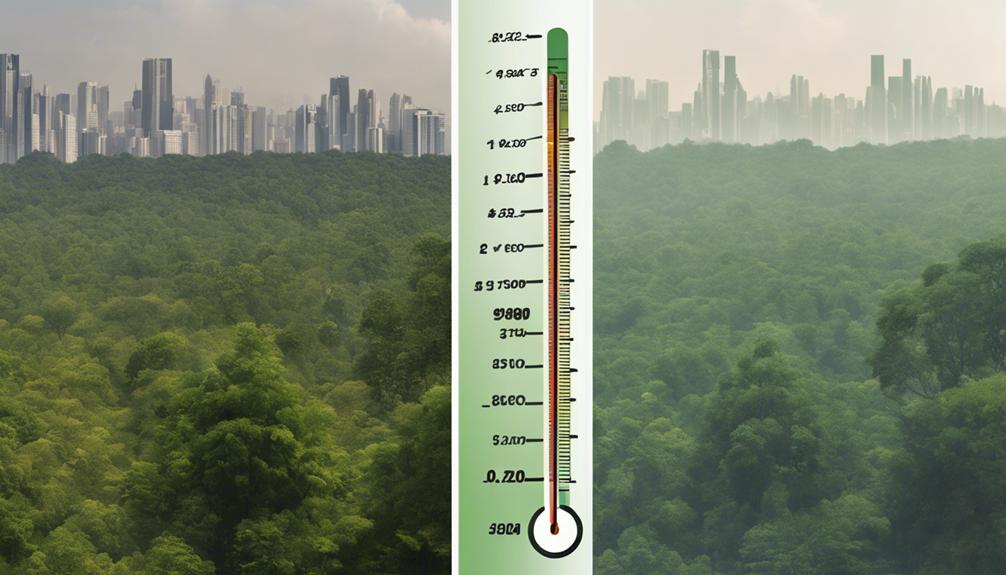
We've witnessed the alarming rise in global temperatures, with each decade surpassing the previous one in average temperature. The last decade was the warmest on record, and we've seen a 1°C increase since the late 1800s. We're facing devastating ecosystem disruptions, heat-related illnesses, and unprecedented natural disasters. But there's hope. We can shift to renewable energy, adopt sustainable living practices, and collaborate globally for climate action. By exploring the data and solutions, we can uncover the paths to a greener, more resilient future – and that journey starts right here, where the complexities of global warming come into sharp focus.
Rising Global Temperatures by Decade
As we explore the data, it's striking to see that the average global temperature has risen consistently by decade, with the last decade being the warmest on record. This trend is unmistakable, and it's essential to understand its implications. We've seen a steady increase of about 1°C since the late 1800s, with the 20th century experiencing a notable upswing. The 1980s marked a turning point, with each subsequent decade surpassing the previous one regarding average temperature.
What's alarming is that this upward trend shows no signs of slowing down. In fact, the last decade (2010-2019) broke all records, with the global temperature averaging 1.1°C above pre-industrial levels. The consequences of this rapid warming are far-reaching, from more frequent extreme weather events to devastating heatwaves and droughts. We're witnessing the impact on ecosystems, biodiversity, and human societies worldwide.
As we investigate further into the data, it becomes clear that global warming is a pressing issue that demands immediate attention. The scientific consensus is clear: human activities are playing a significant role in this rise in temperatures. We must acknowledge the gravity of the situation and work together to mitigate its effects. By understanding the scope of the problem, we can begin to explore solutions and take collective action to secure a sustainable future.
Causes of Global Warming Explained
As we explore the causes of global warming, we're going to examine the key factors contributing to this pressing issue. We'll take a closer look at the role of greenhouse gases, the significant impact of human activities, and the natural factors that also play a part. By understanding these causes, we'll be better equipped to address this complex problem.
Greenhouse Gases Role
We're surrounded by a blanket of gases that trap heat in our atmosphere, and it's essential to understand the significant role they play in global warming. These gases, known as greenhouse gases, are the primary culprits behind the rising temperatures on our planet. They work like a thermal blanket, keeping the heat from escaping into space and causing the Earth's temperature to rise.
Here are some key facts about greenhouse gases:
- Carbon dioxide (CO2): The most abundant greenhouse gas, responsible for about 65% of the warming attributable to all greenhouse gases.
- Methane (CH4): Released through human activities like agriculture and natural gas production, methane has a global warming potential 28 times higher than CO2.
- Water vapor (H2O): The most abundant greenhouse gas in the atmosphere, playing a vital role in regulating Earth's temperature.
- Nitrous oxide (N2O): Released through agricultural activities, industrial processes, and the burning of fossil fuels, N2O has a global warming potential 298 times higher than CO2.
Understanding the role of greenhouse gases is essential in tackling global warming. By recognizing their impact, we can begin to develop strategies to reduce their emissions and mitigate the effects of climate change.
Human Activities Impact
In addition, by examining the human activities that release massive amounts of greenhouse gases into the atmosphere, we can pinpoint the root causes of global warming. We've identified several key contributors to the problem. One major culprit is the burning of fossil fuels such as coal, oil, and gas for energy. This releases massive amounts of carbon dioxide into the atmosphere, leading to a significant increase in global temperatures. Deforestation, particularly in the Amazon rainforest, is another significant factor. Trees absorb carbon dioxide during photosynthesis, so when we cut them down, that carbon is released back into the atmosphere. Moreover, agriculture, especially the production of meat, contributes to greenhouse gas emissions. The livestock industry is a significant source of methane and nitrous oxide, both potent greenhouse gases. Finally, industrial processes, such as cement production and the manufacturing of steel and aluminum, also release large amounts of greenhouse gases. By understanding the role of human activities in global warming, we can begin to develop effective solutions to mitigate its effects.
Natural Factors Contribution
While human activities undeniably play a significant role in global warming, natural factors also contribute to the rising temperatures, and understanding their impact is essential to developing effective solutions. We've learned that it's not just about human actions, but also about the natural world's influence on the climate.
We've identified several natural factors that contribute to global warming:
- Volcanic eruptions: These events release massive amounts of ash and aerosols into the atmosphere, reflecting sunlight and cooling the planet. However, they can also release greenhouse gases, contributing to warming.
- Changes in Earth's orbit: Shifts in the planet's orbit around the sun can alter the amount of solar energy the Earth receives, influencing global temperatures.
- Solar variability: Changes in the sun's energy output can also impact the Earth's climate, with increased energy contributing to warming.
- Oceanic cycles: Natural fluctuations in ocean currents and temperatures, such as El Niño events, can impact global temperatures and climate patterns.
Devastating Impact on Ecosystems Worldwide
Rising temperatures and altered precipitation patterns have disrupted delicate ecological balances, triggering a cascade of devastating effects on ecosystems worldwide. We're witnessing the consequences firsthand: coral bleaching, melting glaciers, and altered species migration patterns. The Amazon rainforest, often referred to as the "lungs of the Earth," is experiencing unprecedented wildfires, releasing massive amounts of stored carbon into the atmosphere.
These changes have a ripple effect throughout entire ecosystems. We're seeing shifts in the distribution and behavior of plant and animal species, disrupting the intricate web of relationships within ecosystems. This, in turn, affects nutrient cycles, water quality, and even human health. For instance, warmer waters are allowing disease-carrying insects to thrive, leading to an increase in mosquito-borne illnesses.
Furthermore, we're losing biodiversity at an alarming rate. Polar bears, sea turtles, and monarch butterflies are just a few examples of species struggling to adapt to their changing environments. As we continue to push ecosystems beyond their limits, we risk triggering irreversible tipping points. The consequences of inaction will be catastrophic, but by acknowledging the devastating impact of global warming on ecosystems, we can work together to mitigate its effects and preserve the natural world for future generations.
Greenhouse Gas Emissions by Sector
We're now facing the challenging task of reducing greenhouse gas emissions, which necessitates a thorough understanding of where they originate, as the energy, agriculture, industry, and transportation sectors all contribute to the problem in varying degrees. It's important to identify the primary sources of these emissions to develop effective strategies for reduction.
To get a better grasp of the situation, let's take a closer look at the main contributors:
- Energy sector: This sector is the largest emitter, responsible for around 65% of human-caused greenhouse gas emissions. The burning of fossil fuels for electricity and heat generation is the main culprit.
- Agriculture sector: Agricultural practices, such as rice cultivation and livestock farming, release significant amounts of methane and nitrous oxide, contributing around 24% to the total emissions.
- Industry sector: The production of cement, steel, and other goods results in process-related emissions, accounting for around 5% of the total.
- Transportation sector: Emissions from vehicles, airplanes, and other forms of transportation make up around 6% of the total.
Understanding the distribution of greenhouse gas emissions across these sectors is important for developing targeted strategies to reduce our carbon footprint. By recognizing the primary sources of emissions, we can focus our efforts on the most impactful areas, ultimately working towards a more sustainable future.
Climate Change Effects on Human Health
As we analyze the far-reaching consequences of climate change, we're compelled to ponder the devastating impact it has on our well-being. Rising temperatures are linked to a surge in heat-related illnesses, and we're witnessing a disturbing trend of worsening air quality that exacerbates existing health conditions. It's essential that we grasp the intricate relationship between climate change and human health to develop effective solutions.
Heat-Related Illnesses Rise
Heatwaves fueled by climate change are sending us to emergency rooms in alarming numbers, with heat-related illnesses skyrocketing by 57% over the past decade. We're not just talking about minor heat exhaustion; we're seeing serious health consequences, including heat stroke, cardiovascular disease, and even death. The most vulnerable among us – the elderly, young children, and those with pre-existing medical conditions – are particularly at risk.
As the planet continues to warm, we can expect even more frequent and intense heatwaves. This means we'll see more:
- Heat-related emergency room visits and hospitalizations
- Cardiovascular disease and stroke cases
- Respiratory problems, like asthma and COPD, exacerbated by heat
- Deaths directly attributed to heatwaves
It's essential that we take action to mitigate the effects of climate change and protect our health. We must work together to reduce greenhouse gas emissions, invest in heatwave early warning systems, and provide support to those most vulnerable to heat-related illnesses. The stakes are high, but by working together, we can reduce the devastating impact of heat-related illnesses.
Air Pollution Worsens Health
Rising global temperatures are increasing the formation of ground-level ozone, which exacerbates respiratory issues like asthma, and our lungs are paying the price. As we breathe in polluted air, our health suffers. The World Health Organization estimates that 9 out of 10 people worldwide breathe polluted air, resulting in 7 million premature deaths annually.
| Pollutant | Health Effects |
|---|---|
| Particulate Matter (PM) | Respiratory issues, heart disease |
| Nitrogen Dioxide (NO2) | Inflammation, respiratory problems |
| Ozone (O3) | Asthma, bronchitis, COPD |
| Sulfur Dioxide (SO2) | Respiratory issues, cardiovascular disease |
| Carbon Monoxide (CO) | Headaches, dizziness, nausea |
Air pollution worsens our health, and climate change is making it worse. As we continue to emit greenhouse gases, we're not only harming the planet, but also ourselves. It's essential we take action to reduce our carbon footprint and invest in cleaner energy sources. We must prioritize our health and the health of our planet.
Transition to Renewable Energy Sources
We need to actively invest in renewable energy sources, like solar and wind power, to reduce our reliance on fossil fuels and mitigate the devastating impact of global warming. The science is clear: our continued dependence on coal, oil, and gas is driving climate change, and it's essential we shift to cleaner, sustainable alternatives.
Fortunately, the cost of renewable energy has decreased dramatically in recent years, making it more competitive with fossil fuels. This change is vital, as it will not only reduce greenhouse gas emissions but also create new economic opportunities and jobs. We can't afford to wait; the time for action is now.
Here are some key benefits of moving towards renewable energy sources:
- Reduced air pollution: Renewable energy generates electricity without emitting pollutants, improving air quality and public health.
- Energy independence: Diversifying our energy mix with renewables reduces our reliance on imported fuels, enhancing energy security.
- Job creation: The renewable energy sector is creating new job opportunities in manufacturing, installation, and maintenance.
- Carbon emission reduction: Renewable energy helps mitigate climate change by reducing our carbon footprint.
Sustainable Living for a Greener Future
As we work towards mitigating the effects of global warming, adopting sustainable living practices is essential to reducing our individual carbon footprint and creating a greener future. We can start by making conscious choices in our daily lives, such as reducing our energy consumption, using public transport, and recycling. By making these simple changes, we can greatly diminish our carbon emissions and contribute to a cleaner environment. Furthermore, embracing renewable energy sources like solar and wind power can significantly lower our reliance on fossil fuels. The ecofriendly technology benefits of energy-efficient appliances and electric vehicles also play a crucial role in minimizing environmental impact. By integrating these solutions into our lifestyle, we can collectively work towards a more sustainable and eco-conscious world.
One of the most effective ways to live sustainably is to reduce, reuse, and recycle. We can decrease our use of single-use plastics, reuse bags and containers, and recycle as much as possible. We can also adopt a plant-based diet, which has been shown to have a significant impact on reducing greenhouse gas emissions. By choosing locally sourced and seasonal produce, we can further diminish our carbon footprint.
Another important aspect of sustainable living is reducing water waste. We can take shorter showers, fix leaky faucets, and use water-efficient appliances to conserve this precious resource. By making these small changes, we can collectively make a noteworthy impact on reducing our carbon footprint and creating a greener future. It's time for us to take action and make sustainable living a priority.
Global Cooperation for Climate Action
In tackling the monumental task of combatting global warming, international collaboration is essential for developing and implementing effective climate policies that can be adopted worldwide. We can't do it alone; it's a global problem that requires a unified global response. We need to work together to share knowledge, technologies, and best practices to reduce greenhouse gas emissions and shift towards a low-carbon economy.
Global cooperation is critical for several reasons:
- Sharing the burden: No single country can tackle climate change alone. By working together, we can distribute the responsibility and cost of mitigation and adaptation efforts.
- Setting global standards: International agreements can establish common standards for emissions reductions, ensuring a level playing field for all countries.
- Accelerating innovation: Collaboration can speed up the development and deployment of climate-friendly technologies, driving down costs and increasing accessibility.
- Building resilience: Global cooperation can help vulnerable countries build resilience to climate-related disasters and support climate change adaptation efforts.
Implementing Climate Change Policy
Now that global cooperation has laid the groundwork for climate action, effective policy implementation becomes the linchpin for reducing greenhouse gas emissions and driving sustainable development. We've made significant progress in raising awareness and building international consensus, but it's time to turn our attention to the nitty-gritty of policy implementation.
We need to develop and enforce policies that facilitate the shift towards renewable energy, enhance energy efficiency, and promote sustainable land use practices. This requires us to work closely with governments, businesses, and civil society to create an enabling environment that supports climate-resilient infrastructure, advocates for eco-friendly technologies, and fosters sustainable consumption patterns.
We also need to make certain that our policies are equitable, taking into consideration the disproportionate impact of climate change on vulnerable populations, including low-income communities, women, and indigenous peoples. This means providing climate-resilient social protection, implementing climate-smart agriculture, and ensuring climate-resilient water management, among other measures.
As we move forward, we must prioritize transparency, accountability, and continuous monitoring and evaluation of our policy efforts. We must also leverage technology, innovation, and international cooperation to accelerate the pace of climate action. By working together, we can create a more sustainable, equitable, and climate-resilient future for all.
Frequently Asked Questions
Can Climate Change Be Reversed, or Is It Irreversible?
We're often asked if climate change can be reversed or if it's a lost cause. Honestly, it's a bit of both. While some effects, like melting glaciers, are irreversible, others can be slowed or even reversed with drastic cuts to emissions and bold climate action. We can still mitigate the worst impacts, but we must act fast. The window for change is closing, and it's up to us to take control of our planet's future.
How Does Climate Migration Affect Global Food Production?
Some might believe that climate migration won't impact global food production, but we've experienced it firsthand – displaced people often settle in areas with already-strained resources, leading to food scarcity. As climate migrants move, they disrupt local farming practices, causing food shortages and economic instability. This ripple effect can have devastating consequences, jeopardizing global food security. We must address the impact of climate migration on food production to guarantee a sustainable future for all.
Are All Types of Nuclear Energy Low-Carbon Alternatives?
We're wondering if all types of nuclear energy are truly low-carbon alternatives. Honestly, it's not a simple yes or no. While nuclear power plants don't emit greenhouse gases during operation, the mining and processing of uranium can be carbon-intensive. Additionally, nuclear waste storage and decommissioning also have environmental impacts. So, while nuclear energy can be a low-carbon option, it's not entirely carbon-free. We need to weigh the benefits against the lifecycle emissions and consider the full picture.
What Percentage of Emissions Come From Aviation and Shipping?
We're sailing through a sea of emissions, searching for the hidden treasures of data. When it comes to aviation and shipping, we find that they're responsible for around 5% of global CO2 emissions. That's a significant chunk, considering the global carbon budget. These industries are growing, and their emissions are expected to triple by 2050 if left unchecked. It's time to chart a new course and explore cleaner fuels and more efficient technologies to mitigate their impact.
Can Geoengineering Solve the Climate Crisis Alone?
We're wondering if geoengineering can single-handedly solve the climate crisis. Honestly, we don't think so. While it may help mitigate some effects, it's not a silver bullet. Geoengineering solutions, like reflecting sunlight or capturing carbon, can have unintended consequences and don't address the root causes of climate change. We need a multi-faceted approach that combines reducing emissions, shifting to renewables, and adapting to the changing climate. Relying solely on geoengineering would be a risky gamble.